



The Solidus gold coin issued by the Byzantine Empire in 641 AD
During the reign of Heraclius, the portrait of "Hekgram" and Jesus Christ from the reign of Justinian II appeared on coins. At first, attempts to use the portrait of Christ on coinage did not last until the latter half of the 9th century, when the images of Jesus Christ and subsequently the Virgin Mary became more common. By the end of the 10th century, Byzantium had produced a series of unnamed bronze coins and new Ginomismas, which lasted for a long time. In the late period, Byzantine coins gradually deteriorated in terms of metal composition and style, to the point where extremely rough coins of Emperor John VIII Palaiologogus appeared.

The Solidus gold coin issued by the Byzantine Empire in 610 AD
During the reign of Heraclius, the portrait of "Hekgram" and Jesus Christ from the reign of Justinian II appeared on coins. At first, attempts to use the portrait of Christ on coinage did not last until the latter half of the 9th century, when the images of Jesus Christ and subsequently the Virgin Mary became more common. By the end of the 10th century, Byzantium had produced a series of unnamed bronze coins and new Ginomismas, which lasted for a long time. In the late period, Byzantine coins gradually deteriorated in terms of metal composition and style, to the point where extremely rough coins of Emperor John VIII Palaiologogus appeared.

The Solidus gold coin issued by the Byzantine Empire in 582 AD
During the reign of Heraclius, the portrait of "Hekgram" and Jesus Christ from the reign of Justinian II appeared on coins. At first, attempts to use the portrait of Christ on coinage did not last until the latter half of the 9th century, when the images of Jesus Christ and subsequently the Virgin Mary became more common. By the end of the 10th century, Byzantium had produced a series of unnamed bronze coins and new Ginomismas, which lasted for a long time. In the late period, Byzantine coins gradually deteriorated in terms of metal composition and style, to the point where extremely rough coins of Emperor John VIII Palaiologogus appeared.

The Solidus gold coin issued by the Byzantine Empire in 535 AD
During the reign of Heraclius, the portrait of "Hekgram" and Jesus Christ from the reign of Justinian II appeared on coins. At first, attempts to use the portrait of Christ on coinage did not last until the latter half of the 9th century, when the images of Jesus Christ and subsequently the Virgin Mary became more common. By the end of the 10th century, Byzantium had produced a series of unnamed bronze coins and new Ginomismas, which lasted for a long time. In the late period, Byzantine coins gradually deteriorated in terms of metal composition and style, to the point where extremely rough coins of Emperor John VIII Palaiologogus appeared.

The Solidus gold coin issued by the Byzantine Empire in 565 AD
During the reign of Heraclius, the portrait of "Hekgram" and Jesus Christ from the reign of Justinian II appeared on coins. At first, attempts to use the portrait of Christ on coinage did not last until the latter half of the 9th century, when the images of Jesus Christ and subsequently the Virgin Mary became more common. By the end of the 10th century, Byzantium had produced a series of unnamed bronze coins and new Ginomismas, which lasted for a long time. In the late period, Byzantine coins gradually deteriorated in terms of metal composition and style, to the point where extremely rough coins of Emperor John VIII Palaiologogus appeared.

The Solidus gold coin issued by the Byzantine Empire in 527 AD
During the reign of Heraclius, the portrait of "Hekgram" and Jesus Christ from the reign of Justinian II appeared on coins. At first, attempts to use the portrait of Christ on coinage did not last until the latter half of the 9th century, when the images of Jesus Christ and subsequently the Virgin Mary became more common. By the end of the 10th century, Byzantium had produced a series of unnamed bronze coins and new Ginomismas, which lasted for a long time. In the late period, Byzantine coins gradually deteriorated in terms of metal composition and style, to the point where extremely rough coins of Emperor John VIII Palaiologogus appeared.

The Solidus gold coin issued by the Byzantine Empire in 498 AD
During the reign of Heraclius, the portrait of "Hekgram" and Jesus Christ from the reign of Justinian II appeared on coins. At first, attempts to use the portrait of Christ on coinage did not last until the latter half of the 9th century, when the images of Jesus Christ and subsequently the Virgin Mary became more common. By the end of the 10th century, Byzantium had produced a series of unnamed bronze coins and new Ginomismas, which lasted for a long time. In the late period, Byzantine coins gradually deteriorated in terms of metal composition and style, to the point where extremely rough coins of Emperor John VIII Palaiologogus appeared.

Popular Models
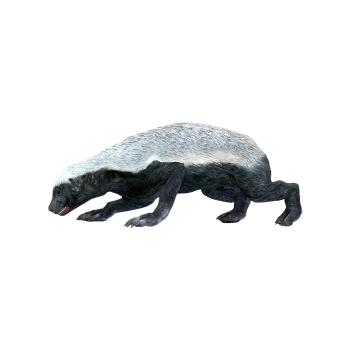
Honey Badger (3D animated model)
192 View
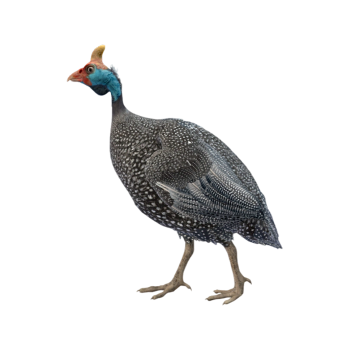
Guinea fowl (3D animated model)
163 View
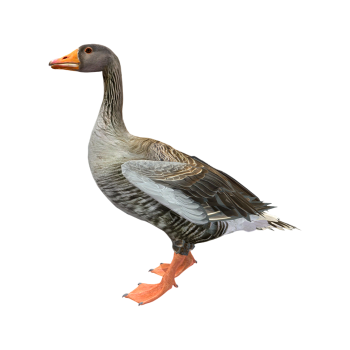
Wild Goose (3D animated model)
185 View
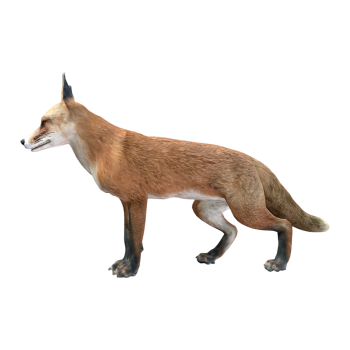
Red Fox (3D animated model)
153 View
Random Model
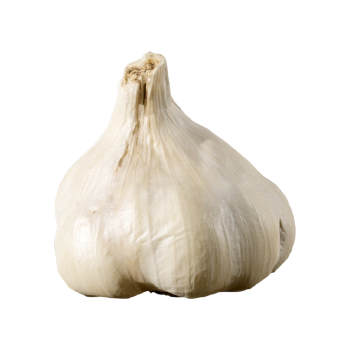
Garlic
822 View
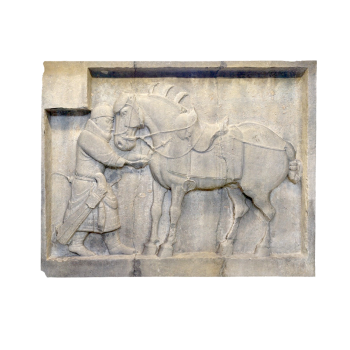

Tricholoma
587 View
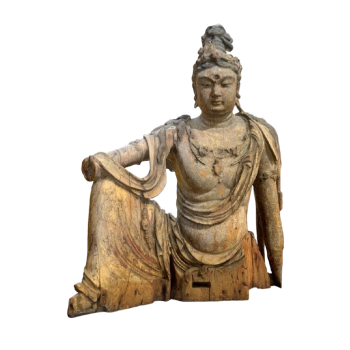
Wood Carving of Guanyin Bodhisattva
913 View


Chackerel 3D Model Animation
992 View


Leather armchair
552 View

Love Balloon (3D Action Model)
112 View